Destination
Lisbon
Lisbon is a city defined by light, hills, and atmosphere, where daily life moves at a slower pace and the experience is shaped as much by viewpoints and streets as by landmarks.
Best months to visit
Trip style
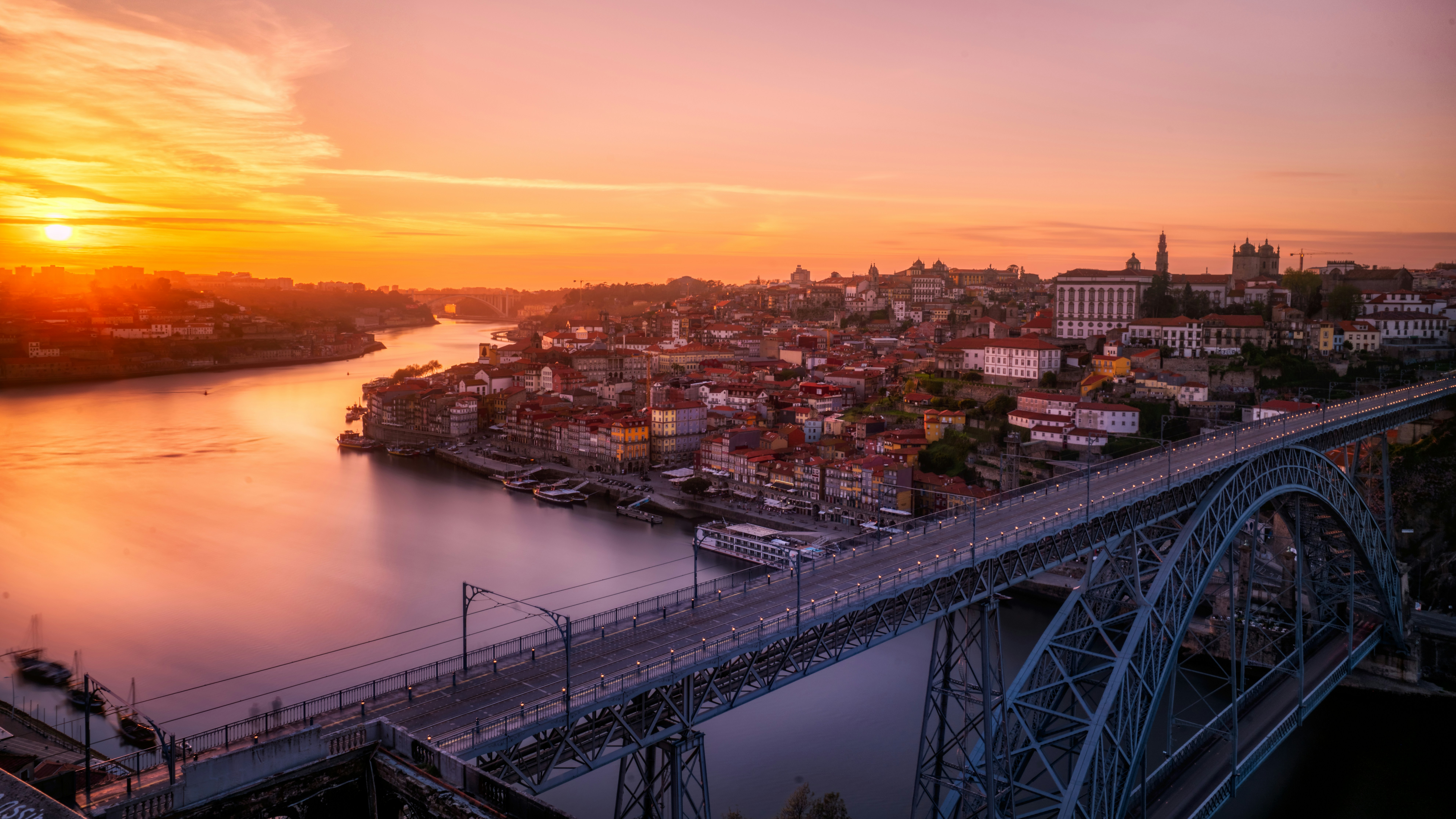
Lisbon feels different from most European capitals the moment you arrive. It is lighter, more open, and more relaxed. The city sits on a series of hills overlooking the Tagus River, and that geography shapes everything—from how you move, to what you see, to how the day unfolds.
Instead of wide boulevards and rigid structure, Lisbon offers layered streets, steep climbs, sudden viewpoints, and constant shifts in perspective. The result is a city that feels dynamic without being overwhelming.
Why Lisbon stands out
Lisbon’s identity comes from a combination of elements that rarely exist together in one place. It has the charm of an old European city, but also the openness of a coastal destination. It has history, but it does not feel heavy. It has tourism, but it still feels local.
One of the most noticeable differences is the pace. Lisbon does not push you to move quickly. Days feel longer, transitions feel softer, and there is more space to slow down without feeling like you are missing something.
This makes it one of the easiest cities to enjoy without strict planning.
The role of hills and viewpoints
Lisbon is built on hills, and that changes how you experience it. Walking is more physical than in cities like Paris or Rome, but also more rewarding.
Almost every climb leads to a viewpoint, or miradouro, where the city opens up. These viewpoints are not just scenic stops. They are part of daily life. Locals sit there, talk, and spend time just watching the city.
This creates a travel experience that feels less structured and more observational.
Understanding Lisbon neighborhoods
Lisbon is best explored through its neighborhoods. Each one has a distinct character, and moving between them changes the tone of your trip.
Alfama is the oldest part of the city. It is dense, historic, and full of narrow streets that feel almost maze-like. Bairro Alto is more active, especially in the evening, with a mix of bars and small streets. Baixa feels more structured and central, while Belém sits slightly outside the core and focuses more on landmarks and open space.
Understanding these areas helps you plan your days without unnecessary movement.
Movement and transport
Because of the hills, walking alone can be tiring if not planned properly. Lisbon has a mix of trams, metro, and lifts that help you move more efficiently.
The historic trams are part of the experience, but they are also functional. Elevators and funiculars connect lower and higher parts of the city, making movement easier.
The key is to combine walking with transport rather than relying on just one.
Food and atmosphere
Food in Lisbon is simple, direct, and strongly connected to local ingredients. Seafood plays a major role, and meals tend to feel relaxed rather than formal.
What stands out is not complexity, but consistency. Even small places often deliver strong quality.
Cafés and bakeries are also important. A short stop for coffee or pastry fits naturally into the day and helps maintain the slower rhythm that defines the city.
The importance of light
Lisbon is often described as a city of light, and that description is accurate. The reflection from the river, the color of buildings, and the openness of the skyline all contribute to a brighter overall atmosphere.
This affects photography, mood, and even how the city feels during different times of the day. Morning and late afternoon are especially strong, as the light becomes softer and more directional.
Best time to visit
Spring and early autumn offer the best balance. The weather is comfortable, the city is active, and walking conditions are manageable.
Summer brings more energy but also higher temperatures and more visitors. Winter is quieter and still relatively mild compared to many other European cities.
Lisbon is more forgiving than most destinations when it comes to timing, but the overall experience improves when the pace of the city matches your own.
How many days Lisbon needs
Lisbon works well as a short trip, but it becomes much more interesting with extra time. Two to three days is enough to see the main areas, but four to five days allows you to move more slowly and explore beyond the obvious.
Nearby day trips, such as Sintra or the coast, also add variety and expand the experience.
A better Lisbon approach
The best way to experience Lisbon is to avoid strict structure. Instead of filling every hour, leave space for movement, views, and unplanned stops.
Lisbon is not about efficiency. It is about atmosphere. The more you allow the city to set the pace, the better the experience becomes.
TravelBuzz note
This destination guide connects with deeper Lisbon content, including where to stay, neighborhood breakdowns, and day-by-day itineraries designed for different travel styles.