Destination
Rome
Rome is not a city you visit for a single reason. It is a place where history, architecture, and daily life overlap in a way that feels dense, real, and constantly in motion.
Best months to visit
Trip style
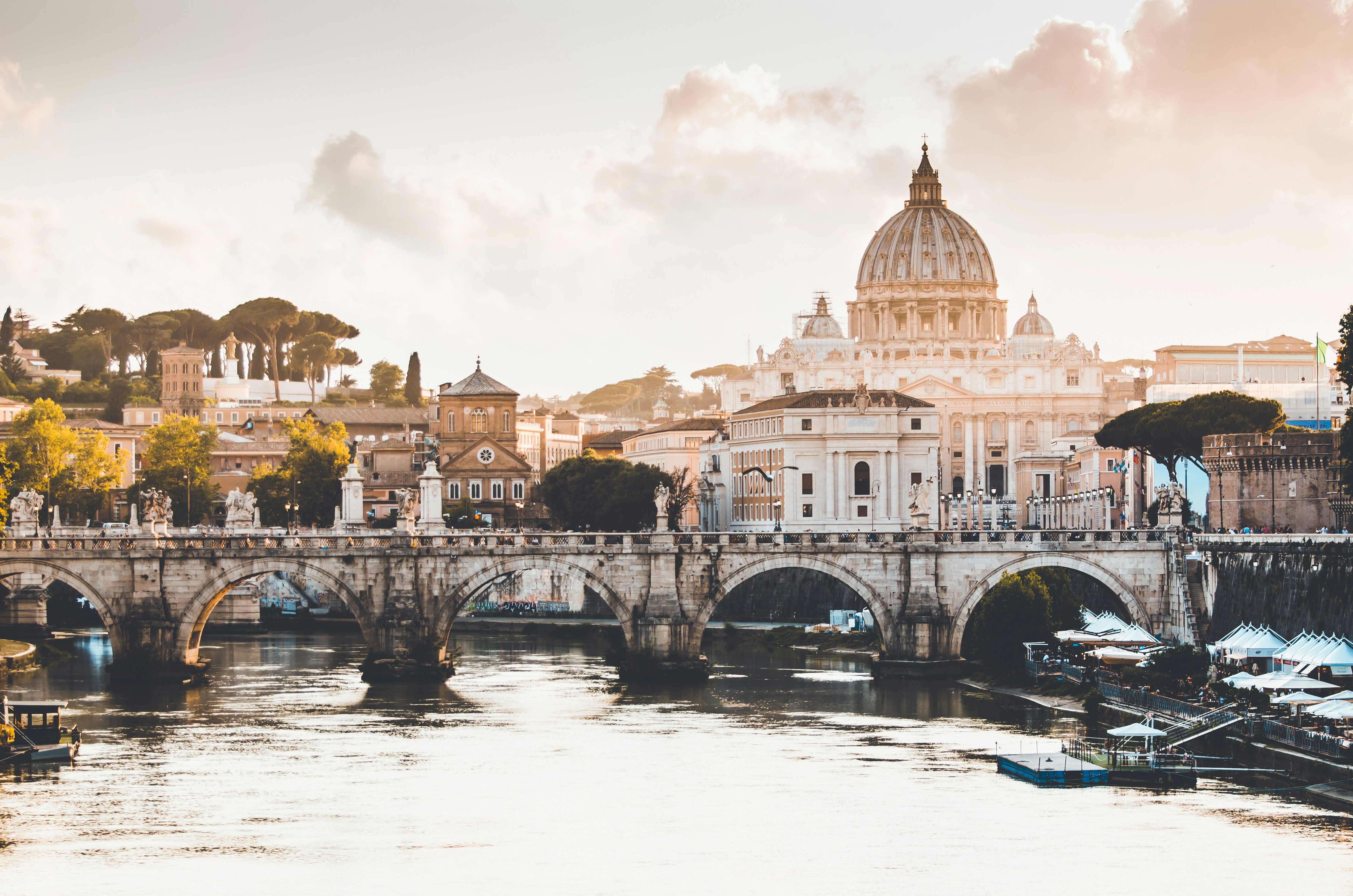
Rome is one of the few cities in the world where history is not confined to museums or specific sites. It exists everywhere. Ancient ruins appear next to busy streets. Churches stand on top of older structures. Public squares function as both gathering places and historical landmarks at the same time.
The first impression of Rome is often overwhelming. The scale of its history, the density of its architecture, and the constant movement of the city can feel chaotic. But that chaos is part of what makes Rome unique. It is not designed to feel perfectly organized. It is designed by layers of time.
What makes Rome powerful as a destination is not just what you see, but how everything connects. A walk through the city becomes a continuous sequence of discoveries rather than a set of isolated stops.
Why Rome feels different
Rome does not try to hide its past. Instead, it builds on it. This creates a city where multiple historical periods exist in the same space.
You can move from an ancient site to a Renaissance square and then into a modern café within minutes. This layering gives Rome a sense of depth that few other cities can match.
At the same time, Rome is not frozen in history. It is a living city. People work, eat, socialize, and move through the same streets that visitors come to explore. That mix of everyday life and historical significance is what makes the experience feel authentic.
Understanding the structure of the city
Rome is not as structured as cities like Paris. Streets are less predictable, and the layout can feel confusing at first. This is because the city developed organically over centuries rather than being redesigned in a uniform way.
The best way to navigate Rome is not to rely only on maps, but to understand key areas and how they relate to each other.
The historic center is where most major landmarks are located. This includes the Colosseum, Roman Forum, Pantheon, and many central squares. The Vatican area sits slightly apart but is still easily reachable.
Once you understand these zones, it becomes easier to plan your days without constantly checking directions.
Landmarks and their role
Rome is filled with major landmarks, and they are essential to the experience. The Colosseum, Roman Forum, and Vatican are among the most important historical sites in Europe.
However, similar to Paris, the mistake is focusing only on landmarks. Rome’s identity is also shaped by the spaces between them. Streets, squares, fountains, and everyday buildings all contribute to the experience.
Spending all your time moving quickly from one landmark to another can make the trip feel rushed. Slowing down allows you to appreciate how these places fit into the city as a whole.
The importance of public spaces
Public squares, or piazzas, are central to life in Rome. They function as meeting points, social spaces, and visual highlights.
Places like Piazza Navona or Piazza di Spagna are not just attractions. They are part of the city’s daily rhythm. People gather there, sit, talk, and move through them naturally.
This is one of the reasons Rome feels so alive. Its most beautiful spaces are not separated from everyday use.
Food and daily rhythm
Food in Rome is direct, simple, and deeply connected to tradition. Meals are not just about eating, but about structure and timing.
Lunch and dinner are often treated as important parts of the day rather than quick stops. Even a short meal can feel intentional.
Coffee culture also plays a role. Short breaks for espresso are common and help structure movement through the city.
Like in Paris, the more you rush, the less you get out of it. Rome rewards travelers who slow down enough to engage with its daily rhythm.
Walking through Rome
Walking is essential in Rome, but it feels different from walking in more structured cities. Streets can be uneven, crowded, and unpredictable.
Despite that, walking remains the best way to experience the city. It allows you to discover smaller details and unexpected views that are not visible from main routes.
The key is to keep expectations realistic. You will walk a lot, but the experience will be richer because of it.
Best time to visit
Spring and early autumn are the best overall periods for visiting Rome. The weather is more comfortable, and walking conditions are ideal.
Summer can be intense due to heat and crowds. This changes the rhythm of the day, pushing most activity to early morning and evening.
Winter offers fewer crowds and a calmer atmosphere, but also shorter days and cooler temperatures.
Choosing the right season can improve your experience, but good planning matters more than perfect timing.
How many days Rome needs
Rome is not a city that can be fully experienced in a short time. Even three days can feel limited if you try to include too much.
Four to five days allows for a more balanced trip. It gives you time for major landmarks, walking, and moments of rest.
Longer stays make the city feel more natural and less overwhelming.
A better way to experience Rome
The best approach to Rome is not efficiency, but immersion. You are not trying to cover everything. You are trying to understand how the city works.
That means allowing time for:
- walking without strict plans
- sitting in public spaces
- longer meals
- exploring smaller streets
These moments often become the most memorable part of the trip.
TravelBuzz note
This destination page is designed to connect with more focused content about Rome, including where to stay, itinerary planning, and deeper guides to specific areas of the city.