City Guide
Lisbon City Guide: How to Plan the Perfect Trip to Portugal’s Capital
A well-planned Lisbon trip should balance viewpoints, historic neighborhoods, food, and slower moments, so the city feels atmospheric and memorable instead of rushed.
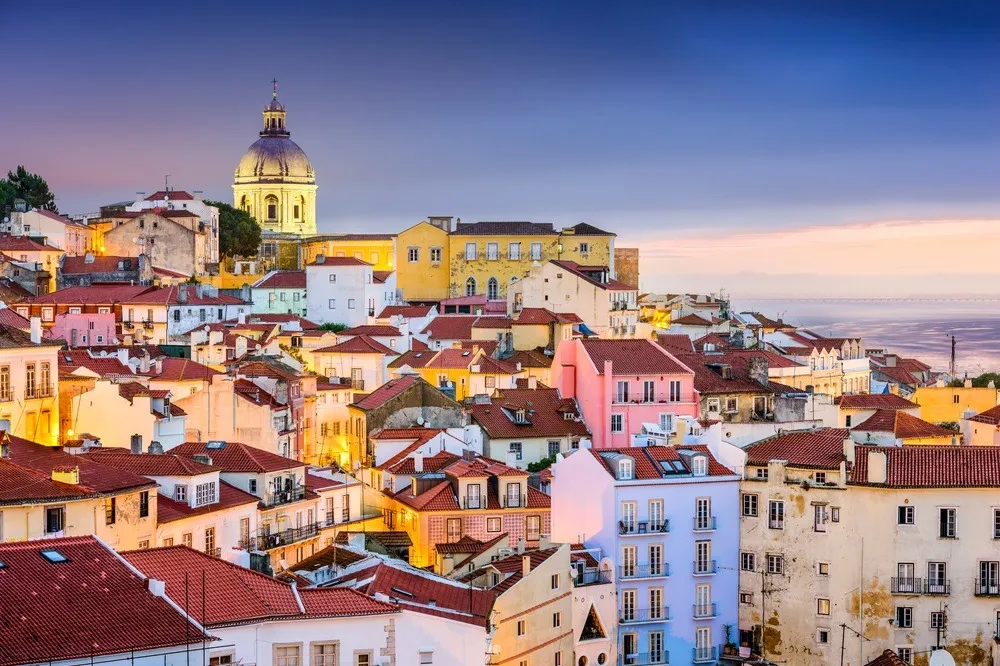
Why Lisbon Feels So Different From Other European Cities
Lisbon is one of those cities that wins people over quietly. It does not rely on overwhelming scale or the feeling that you need to sprint from one major attraction to another. Instead, it works through light, rhythm, atmosphere, and the small details that make a city feel memorable long after the trip ends. From the moment you arrive, Lisbon feels open, warm, and surprisingly calm for a European capital. Even when it is busy, the city rarely feels aggressive. It invites you to slow down rather than speed up.
One of the first things most travelers notice is the light. Lisbon has a brightness that changes the way the city looks and feels throughout the day. The river reflects it, the pale stone streets catch it, and the tiled facades seem to glow in it. This is one of the reasons Lisbon often feels so photogenic without trying too hard. Even ordinary corners can look striking in the right moment, especially in the early morning or late afternoon.
The city’s hills are another big part of its identity. Lisbon is not flat, and that matters more than many first-time visitors expect. The up-and-down layout shapes the entire experience. You walk, you climb, you reach a viewpoint, you pause, and then you continue. Those pauses are not interruptions. They are part of the natural rhythm of being in Lisbon. The city reveals itself gradually, one terrace, rooftop, staircase, and river view at a time.
What makes Lisbon especially good for a city break is that it balances iconic sights with genuine neighborhood character. You can visit the major landmarks, of course, but the city’s real strength is how pleasant it feels between those landmarks. Lisbon is at its best when you stop trying to conquer it and start letting it unfold.
How to Use This Lisbon City Guide
The best way to use a Lisbon city guide is not as a strict checklist. Lisbon does not reward overplanning nearly as much as some other European cities do. It works far better when you have a clear structure for your days but still leave room for flexibility. The city has too much atmosphere to be reduced to a simple list of stops.
Think of this guide as a way to understand how Lisbon fits together. It is here to help you figure out what to prioritize, how to group areas together, where to slow down, and what kind of pace makes the city feel enjoyable rather than tiring. That matters because Lisbon can be deceptive. On the map, distances may not seem dramatic, but the hills, stairs, and changing levels make movement more demanding than people often expect.
Walking should absolutely be part of your Lisbon experience, because some of the best moments happen between destinations rather than at them. At the same time, trying to do everything on foot can drain your energy. This is a city where using transport intelligently makes the trip better. A tram, a short rideshare, or one of the city’s elevators can preserve your energy for the parts of the day that matter most.
If you are visiting Lisbon for the first time, the smartest approach is to combine highlights with atmosphere. See the famous areas, but do not build the entire trip around ticking off landmarks. Lisbon leaves the strongest impression when you make room for viewpoints, food stops, longer walks, and those slower moments where the city starts to feel personal.
What to See in Lisbon
Lisbon is not a city where everything is concentrated into one neat center. Instead, it is a collection of areas that connect into a larger experience, with each neighborhood giving you a slightly different version of the city.
Alfama is the emotional heart of historic Lisbon. This is where the city feels oldest, most layered, and most atmospheric. The streets are narrow, the layout is irregular, and it often feels like the entire district was built to encourage wandering rather than direct movement. You do not really “complete” Alfama. You move through it slowly, noticing details, taking wrong turns, finding viewpoints, and enjoying the way the district reveals itself. São Jorge Castle sits above it, and many of the best views in Lisbon come from this side of the city.
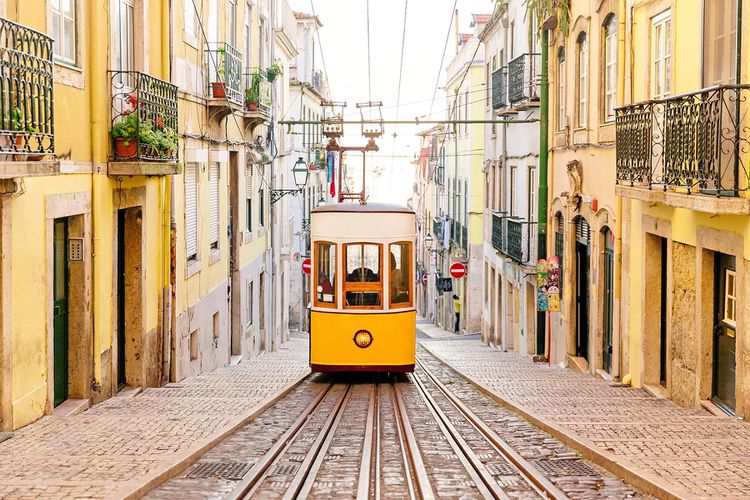
One of the most recognizable images of Lisbon is the classic tram moving through steep, narrow streets, and it really does add something to the city beyond the postcard appeal. The tram is part of Lisbon’s daily rhythm. Seeing it pass through tight corners and sunlit streets gives you a very immediate sense of place. It is one of those details that makes Lisbon feel unmistakably itself.
Baixa is very different. This is the more structured, central part of the city, where Lisbon opens up and becomes easier to navigate. The streets are wider, the layout is more ordered, and the area feels more formal than Alfama. Baixa is useful not just because of what it contains, but because of how it connects the city. It links the riverfront, the commercial center, and the uphill neighborhoods beyond it.
Chiado sits just above Baixa and offers a more polished, refined side of Lisbon. This is where you go for cafés, shopping, cultural energy, and a slightly more elegant atmosphere. It is also one of the best parts of the city for slowing down. You do not need to be doing anything specific there for it to feel worthwhile.
Bairro Alto changes dramatically depending on the hour. During the day, it can feel quiet, almost understated. In the evening, it becomes one of the city’s liveliest districts. Even travelers who are not focused on nightlife should spend some time there after dark just to experience how the mood changes.
Belém sits farther out and should be treated almost like a separate chapter of Lisbon rather than a quick add-on. It feels more open, more monumental, and more historically symbolic. This is where Lisbon’s connection to Portugal’s age of exploration becomes most visible, and it adds a different dimension to the trip.
Lisbon Neighborhoods That Actually Matter
One of the biggest mistakes people make in Lisbon is thinking that all central neighborhoods offer the same experience. They do not. Where you spend your time has a major effect on how the city feels.
Alfama is best for travelers who want atmosphere, old Lisbon character, and a sense of place that feels historic and textured. It is visually rewarding and emotionally memorable, but it is not the most convenient area. The hills are real, the streets can be confusing, and it is less practical if ease is your top priority.
Baixa is best for convenience. If you want a central base that makes the city easy to understand, this is one of the smartest areas. It may not feel as romantic as Alfama in every moment, but it is practical, walkable, and highly efficient for first-time visitors.
Chiado offers a very appealing middle ground. It feels central and polished without being as intense as some core tourist areas. It is excellent for travelers who want atmosphere, but also comfort and easy access to cafés, shops, and city life.
Bairro Alto is ideal for travelers who care about nightlife and evening energy, but it is not the best choice if you are sensitive to noise. It works much better as a district to enjoy than necessarily as the quietest place to stay.
Príncipe Real often feels like one of Lisbon’s most balanced areas. It is calmer, slightly more residential, and still close enough to the center to feel connected. It is a strong choice for travelers who want Lisbon to feel stylish and relaxed rather than hectic.
How to Spend a Great Day in Lisbon
A good day in Lisbon should not feel overloaded. The city works best when you build your day around one or two connected areas rather than trying to cross it repeatedly.
A classic first day might begin in Alfama, where you explore slowly and let the city make its first impression through views, stairs, narrow lanes, and quiet corners. From there, moving toward São Jorge Castle gives you one of the best panoramic introductions to Lisbon. Later, drifting down into Baixa allows the city to open up. By the time you reach Chiado, the day naturally shifts into a more relaxed mood with cafés, slower walks, and space to breathe.
Another strong day can be built around Belém. Because it is more spread out and more monumental, it works best when you give it real time rather than squeezing it into a rushed half-day. It is one of the best places in Lisbon for a walk by the river, and it offers a completely different feeling from the hill-heavy historic center.
Your final day or final afternoon in Lisbon should usually be lighter, not heavier. This is the moment to enjoy the city rather than chase the last attraction. A slower walk through Chiado, Príncipe Real, or even back through a favorite part of Alfama often leaves a stronger final impression than one more rushed landmark visit.
Where to Stay in Lisbon
Where to stay in Lisbon depends on what kind of trip you want.
If convenience matters most, Baixa and Chiado are usually the strongest options. They are central, easy to navigate, and make it simple to build your days without wasting energy on unnecessary travel. For many first-time visitors, this is the safest and smartest choice.
If you care most about atmosphere, Alfama is tempting for good reason. Waking up in one of Lisbon’s most historic neighborhoods changes the tone of the trip. That said, it is important to be honest about whether you want charm or convenience. Alfama gives you atmosphere, but it asks more of you physically.
If you want nightlife nearby, Bairro Alto can work well, though the noise factor is real. If you want something stylish, calm, and well positioned, Príncipe Real is often one of the best overall options.
In Lisbon, the “best” area is not universal. The right area is the one that matches the pace and feeling you want from the trip.
Food in Lisbon
Lisbon’s food scene is one of the city’s biggest strengths, but it works best when you approach it with the right expectations. This is not a city where every memorable meal needs to be elaborate. In fact, some of the most satisfying food experiences in Lisbon are the simplest ones.
Seafood is central to the city’s identity. Grilled fish, straightforward preparations, and ingredient quality matter far more than overcomplication. The appeal is often in how direct the food feels. Lisbon does not usually need to impress you with unnecessary theatrics.
Pastéis de nata are the most famous dessert, and yes, they are worth trying, but the real pleasure is in how naturally they fit into the rhythm of the day. A coffee and a warm pastry can become one of the best moments of the afternoon precisely because it feels easy and local rather than overdesigned.
Cafés, bakeries, and casual neighborhood meals matter a lot in Lisbon. This is one of those cities where food supports the day instead of dominating it. You do not need every meal to be a grand event. Sometimes the best choice is simply a well-timed break in the right area.
Common Lisbon Mistakes to Avoid
One of the biggest mistakes is underestimating the hills. Lisbon looks manageable on a map, but physically it can be more demanding than expected. Building your days too tightly can turn what should be an enjoyable walk into a tiring obligation.
Another mistake is trying to do too much. Lisbon is not a city that rewards panic sightseeing. When you overload the day, you lose the very thing that makes Lisbon special, which is the feeling of ease and openness.
It is also a mistake to focus only on landmarks. Lisbon’s major sights matter, but the city becomes memorable through the neighborhoods, the viewpoints, the river, the light, and the way ordinary moments feel there.
Finally, do not treat every pause as wasted time. In Lisbon, a coffee break, a viewpoint stop, or an unplanned detour is often part of the real experience.
Final Thoughts on Visiting Lisbon
Lisbon is not a city you need to conquer. It is a city you need to experience properly. That means giving it enough time, enough attention, and enough flexibility to show its strengths gradually.
If you balance the major districts with slower neighborhood time, use transport intelligently instead of exhausting yourself, and let the city’s atmosphere shape the rhythm of your days, Lisbon feels far richer than it might at first seem.
That is what makes it so memorable. Lisbon does not depend on constant spectacle. It leaves its mark through light, texture, hills, river views, food, and the feeling that the city let you into its rhythm instead of forcing you to keep up with it.