City Guide
Paris City Guide: What to See, Where to Stay, Food, Neighborhoods, and Smart Travel Tips
Paris is one of those cities that can feel instantly familiar and completely new at the same time, rewarding travelers who slow down, look beyond the postcard landmarks, and let the atmosphere shape the trip.
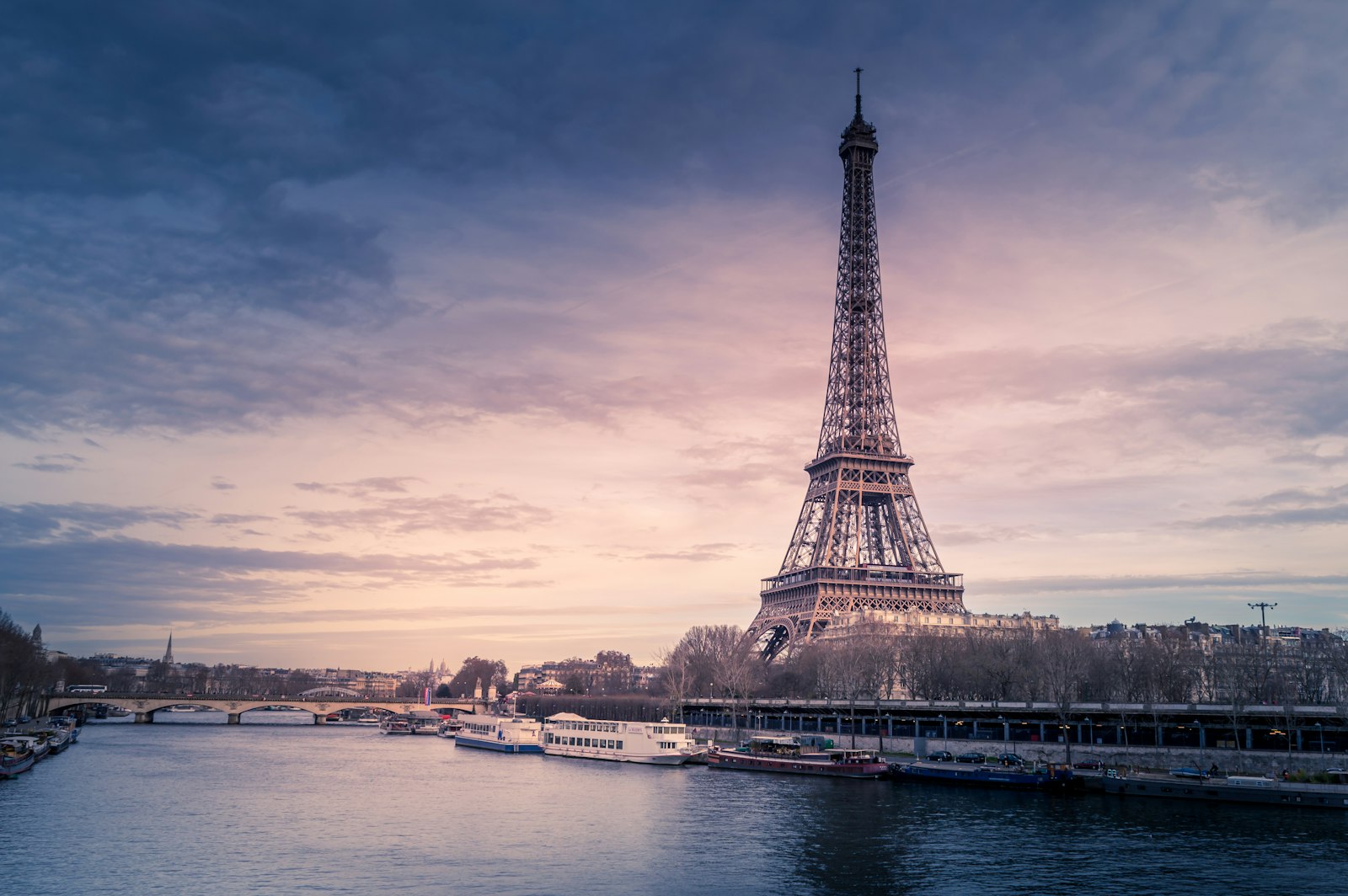
Paris is one of those rare cities that can be impossibly famous and still somehow exceed expectations once you arrive. Most travelers land in the French capital with a version of Paris already built in their imagination: elegant boulevards, café terraces, old bridges, glowing monuments, and the Eiffel Tower rising above the skyline like something too iconic to feel real. The surprising part is that the real city still manages to feel personal. It does not come across as a place built only for photos or bucket-list moments. It feels layered, lived in, and deeply comfortable with its own identity, which is exactly why so many people return to it again and again.
What makes Paris memorable is not only the landmarks, even though the landmarks are extraordinary. It is the way the city reveals itself slowly. You may start your morning with a famous sight in mind, but the moments you remember later are often the ones in between: a warm croissant from a neighborhood bakery, a quiet side street lined with stone buildings and tiny balconies, a long walk that turns into an accidental afternoon, or an hour spent by the Seine simply watching the city move. Paris rewards patience more than speed. The more you slow down, the more details begin to appear, and the more the city feels less like a checklist and more like an experience.
If you are still working out your timing, it is worth reading Best Time to Visit Paris, because the season changes the mood of the city more than many travelers expect. You can also get a broader overview through the Paris destination guide, which helps frame the city in a wider travel context. This guide focuses on how to enjoy Paris once you are there: the best places to visit, the neighborhoods that shape the city, how to plan your days without rushing, what food is actually worth your time, practical travel tips, common mistakes, and a useful FAQ section for extra SEO value and easier trip planning.
Why Paris Feels Different From Other Major Cities
Paris does not need to overwhelm you with height, noise, or nonstop motion to make an impact. Its beauty works in a quieter and more lasting way. The city feels shaped by history without being trapped in it. Grand monuments coexist with ordinary daily life so naturally that the whole place feels more authentic than performative. A world-famous landmark might be only a short walk from a bakery full of locals, a market street, or a tiny bistro where the pace feels completely unhurried. That contrast gives Paris its depth. It never feels like one giant tourist set. It feels like a real city that happens to be beautiful almost everywhere you look.
Another reason Paris stands out is that it is made for walking. Some cities are understood through skylines or transport maps. Paris is understood through movement. The experience of crossing bridges, drifting from one neighborhood into another, pausing in small squares, and following streets simply because they look interesting becomes part of the trip itself. That is why many first-time visitors make the same mistake: they try to do too much, too fast. They treat Paris as a list of famous names instead of a place with rhythm. When you rush through Paris, you see it. When you slow down, you actually feel it.
Best Places to Visit in Paris

The Eiffel Tower remains the most recognizable symbol of Paris, and for once the cliché fully deserves its reputation. No matter how many times you have seen it in films or photos, the first real view still lands with surprising force. The trick is not just seeing it, but seeing it well. Midday crowds can flatten the experience, especially if you arrive without planning. Early morning gives the area a calmer, softer mood, while evening brings that unmistakable Paris glow that people imagine long before they ever visit. Watching the tower sparkle after dark still feels special, not because it is a secret, but because some famous experiences really are worth the hype.
The Louvre is another essential stop, but the smartest way to enjoy it is to resist the urge to conquer it. It is too large, too rich, and too layered to be treated like a race. Instead of trying to cover everything, choose a few sections that genuinely interest you and move slowly. The museum works best when you allow yourself to take it in rather than attack it. Even beyond the art, the scale of the building, the atmosphere of the halls, and the sense of history make it one of the defining experiences in the city.
Notre-Dame and the surrounding area around Île de la Cité offer a different emotional tone. This part of Paris feels older, more rooted, and more reflective. Even beyond the cathedral itself, the nearby bridges, river paths, and streets create one of the city’s most atmospheric zones. It is the kind of place where a short visit easily stretches into a long walk because everything around it invites you to continue just a little farther.
Montmartre and Sacré-Cœur bring a more textured and slightly less polished side of Paris. The hill, the staircases, the artists, the rooftop views, and the narrower streets all create a strong sense of place. While the busiest areas can feel crowded, the neighborhood quickly becomes more charming once you drift a little farther from the most obvious spots. Montmartre is at its best when you let yourself wander instead of rushing in for one view and then leaving.
The Arc de Triomphe and Champs-Élysées are another classic pairing. The avenue can feel commercial, but it still carries a ceremonial grandeur that makes it worth seeing at least once. Climbing the Arc is one of the best viewpoint experiences in Paris because it shows the city’s layout so clearly, with major boulevards spreading outward in a way that feels both dramatic and beautifully planned.
And then there is the Seine, which is less a single attraction and more the thread that ties Paris together. Some of the best hours in the city are spent not inside a major attraction at all, but simply walking the riverbanks, crossing bridges, or sitting somewhere quiet as the light changes. It is one of the simplest pleasures in Paris, and one of the most rewarding.
The Neighborhoods That Give Paris Its Character
Paris starts to feel richer the moment you stop thinking only in terms of monuments and begin noticing its neighborhoods. Each area has its own tone, and moving between them can make the same city feel completely different from one hour to the next.
Le Marais is one of the easiest neighborhoods to recommend because it offers a little bit of everything without feeling generic. It is historic but not stiff, fashionable but not cold, and lively without being exhausting. The area is ideal for travelers who like walking with no strict goal, discovering shops, cafés, small courtyards, and side streets as they go. It is one of those places where an afternoon disappears very quickly in the best possible way.
Saint-Germain-des-Prés feels closer to the classic Paris many people imagine before they arrive. This is where the café culture, elegant streets, bookstores, and slower pace all come together naturally. It is not a neighborhood that demands action. It invites presence. It is ideal when you want to sit longer over coffee, take your time between stops, and let the atmosphere do most of the work.
The Latin Quarter has its own rhythm, shaped by students, old streets, and a more informal energy. It feels active and historic at the same time, which makes it especially good for travelers who enjoy walking through places that still feel alive rather than polished only for visitors. It also connects beautifully with nearby areas, making it easy to fold into a longer day on foot.
Canal Saint-Martin offers a more local, contemporary, and everyday side of Paris. Travelers who want a break from the most polished postcard version of the city often enjoy it here because the atmosphere feels more casual and less curated. That is exactly why it works. It broadens your sense of Paris and reminds you that this is not only a city of monuments, but also a city where people live, gather, eat, and spend slow afternoons by the water.
Montmartre deserves another mention in neighborhood terms because it is far more than a scenic stop. The real pleasure of the area is not just the view at the top, but the feeling of staying longer than expected and finding the streets that most people rush past.
How to Plan Your Days in Paris Without Burning Out
The best Paris itineraries are loosely structured rather than aggressively scheduled. That does not mean arriving with no plan, but it does mean accepting that too much structure can flatten the trip. Paris rewards open space. If every hour is packed, the city starts to feel like a task instead of a pleasure.
A strong first day often combines one or two major landmarks with a lot of walking time. The Eiffel Tower and the Seine work naturally together, and from there you can let the day expand depending on your mood and energy. If you still want more, continue toward central neighborhoods for dinner or an evening stroll. If not, stay near the river and let the city carry the day.
Another day can revolve around the historic center, including the Notre-Dame area, the Latin Quarter, and Saint-Germain-des-Prés. This type of day tends to feel balanced because it mixes architecture, atmosphere, and food without forcing too many long lines or rigid time slots. A third day can focus on Montmartre and Le Marais, or any combination of neighborhoods that matches your style more closely.
The key is not efficiency. The key is rhythm. Paris is one of the few cities where leaving room between plans is not wasted time. It is often where the best parts of the trip happen.
Food in Paris: What to Eat and What Actually Matters
Food in Paris is not just something you fit between activities. It is part of the city’s identity. What many travelers discover is that some of the best food experiences are also the simplest. A buttery croissant in the morning, a baguette sandwich for lunch, a warm crêpe in the afternoon, or a relaxed plate of cheese and wine in the evening can be just as memorable as a formal dinner.
That said, where you eat matters. One of the easiest mistakes in Paris is choosing restaurants directly beside major attractions without much thought. These places are often convenient but forgettable. Walk a few streets away and the quality often improves immediately, along with the atmosphere and value. Paris rewards curiosity in food just as much as it does in walking.
French onion soup, pastries, steak frites, cheese, chocolate desserts, and simple café meals are all worth trying, but the smartest approach is not to build an endless food checklist. It is to let meals become part of the pace of the day. In Paris, even a short coffee stop can feel meaningful when you are in the right place and not rushing through it.
Practical Travel Tips That Make a Real Difference
The small habits matter in Paris. Starting interactions politely with a simple “Bonjour” goes a long way. You do not need perfect French, but basic courtesy is appreciated and often changes the tone immediately.
Walking should be central to your trip whenever possible, but the metro is efficient and worth using when distances grow too long. The best approach is a mix of both: walk for the atmosphere, use transport for longer transitions, and avoid turning every day into a marathon unless that genuinely suits you.
Booking major attractions in advance is another simple decision that protects both time and energy. Long lines can drain the mood of the day far faster than people expect. Comfortable shoes matter more than fashion, and staying flexible matters more than building a perfect spreadsheet itinerary.
Common Mistakes Travelers Make in Paris
The biggest mistake is trying to see too much. Paris is far better when you accept that you are not meant to “finish” it. Packed itineraries often leave travelers tired, behind schedule, and oddly disconnected from the very city they came to enjoy.
Another common mistake is focusing only on landmarks while ignoring neighborhoods. The famous places matter, of course, but the lasting memory of Paris often comes from the in-between spaces: bridges, café terraces, local streets, bakery windows, evening walks, and the feeling of a neighborhood settling around you.
People also underestimate how much better the city feels when meals, coffee breaks, and pauses are treated as part of the experience rather than interruptions to sightseeing.
Final Thoughts
Paris is one of the few places where slowing down does not mean missing out. In fact, slowing down is often what makes the trip work. The landmarks are impressive, the history is everywhere, and the city is full of beauty, but what stays with people most is usually the atmosphere absorbed between those bigger moments. The best Paris trip is rarely the one with the longest list. It is the one where there was enough time for long walks, relaxed meals, unexpected turns, and moments that never appeared on an itinerary at all.
That is why Paris stays with people long after they leave. Not just because of what they saw, but because of how the city felt while they were inside it.
FAQ About Visiting Paris
Is Paris worth visiting for first-time travelers?
Yes. Paris is one of the best first-time city breaks in Europe because it offers iconic landmarks, beautiful neighborhoods, strong food culture, rich history, and a walking experience that feels rewarding even on a short trip.
How many days do you need in Paris?
Three to four days is a very good starting point for a first trip. That is enough time to see major highlights, enjoy a few neighborhoods properly, and avoid the feeling of racing through the city.
What is the best area to stay in Paris?
For first-time visitors, areas connected to Le Marais, Saint-Germain-des-Prés, and the Latin Quarter are often especially practical because they offer atmosphere as well as convenient access to major sights.
What food should you try in Paris?
Croissants, baguette sandwiches, crêpes, French onion soup, pastries, cheese, and classic café meals are all worth trying. Paris often feels best when you combine simple bakery food with a few slower sit-down meals.
Is Paris expensive for tourists?
Paris can be expensive, especially around major attractions, but costs are easier to manage when you walk more, use the metro, choose bakeries and neighborhood cafés, and avoid overpriced tourist restaurants.
What should tourists avoid in Paris?
Avoid overplanning, eating only next to famous sights, and trying to cram too many major stops into one day. Paris is far more enjoyable when the pace is slower and there is room to wander.