Planning
3 Days in Rome
Three days in Rome is enough for an unforgettable trip if you structure it correctly, focus on the right places, and avoid the common mistake of trying to do everything.
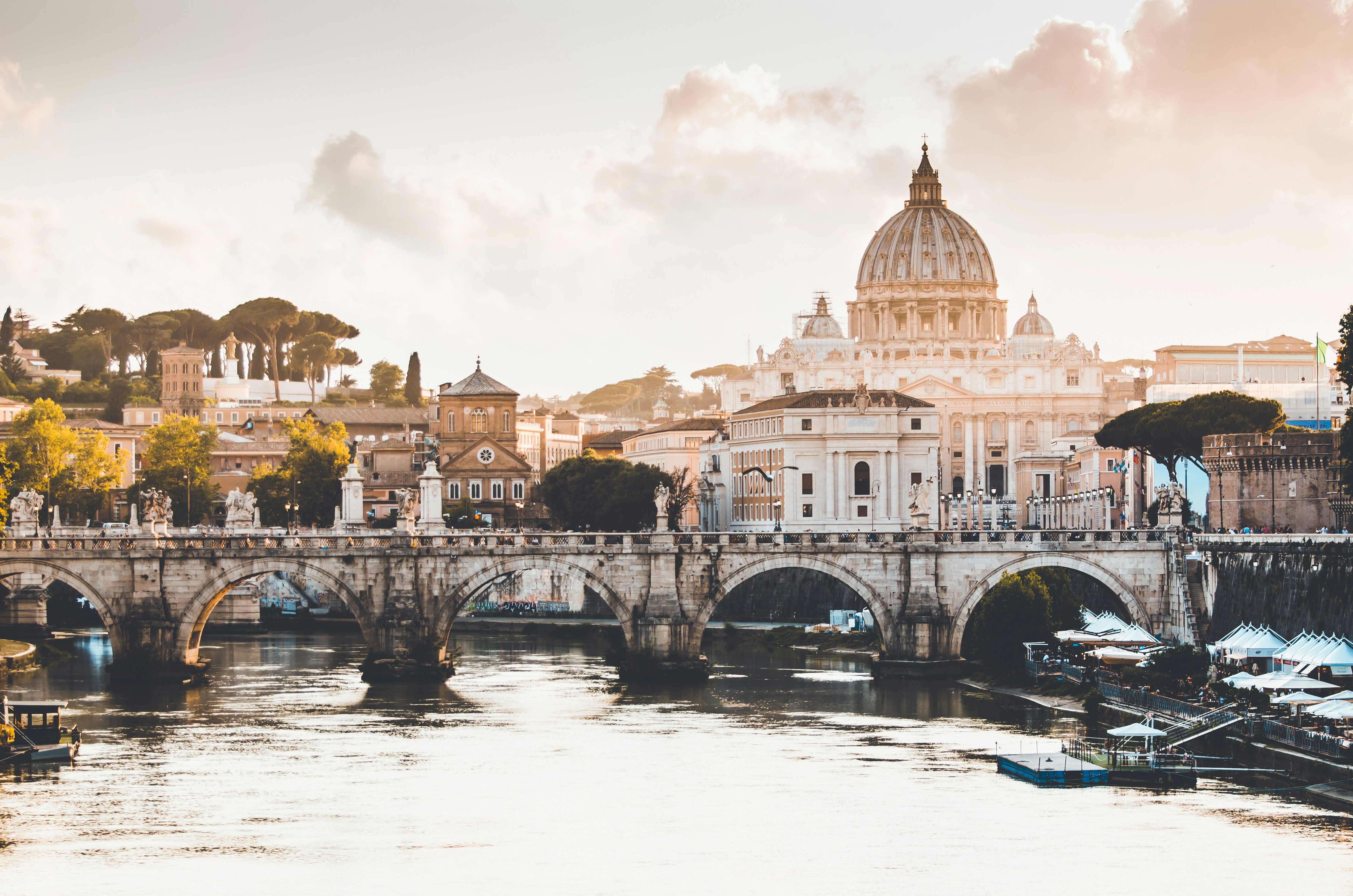
Rome is one of the most complex cities in Europe to plan correctly. It is filled with some of the most famous landmarks in the world, but also with small streets, hidden corners, and everyday moments that often become more memorable than the big sights.
Most travelers approach Rome the wrong way. They try to see everything in a short time, rushing from one attraction to another. The result is a trip that feels exhausting and surprisingly shallow.
A better Rome itinerary is not about doing more. It is about doing the right things in the right order, with enough time between them to actually experience the city.
This 3-day Rome itinerary is built around that idea.
Day 1: Ancient Rome + Historic Center
Your first day should focus on the core of Rome’s identity: ancient history and central landmarks.
Start with the Colosseum
The Colosseum is the most iconic site in Rome and should be your starting point.
Arrive early if possible. This reduces crowd pressure and gives you a much better first impression.
Even if you don’t go deep inside, just being there in the morning is powerful.
Roman Forum and Palatine Hill
Right next to the Colosseum is the Roman Forum, one of the most important archaeological sites in Europe.
This is where Rome stops being abstract and becomes real.
You are not looking at a single building. You are walking through what used to be the center of an empire.
Take your time here. This is not a quick stop.
Walk toward the historic center
After the ancient sites, do not jump into another major attraction immediately.
Instead, walk slowly toward the city center.
This transition is one of the best parts of the day.
Must-visit places in this area:
- Trevi Fountain
- Pantheon
- Piazza Navona
These are close enough to combine naturally without rushing.
The Pantheon is especially important. It is one of the best-preserved ancient buildings in the world and still feels incredibly modern.
Evening: Spanish Steps + city atmosphere
End your day around:
- Spanish Steps
- Via del Corso
This is where Rome starts to feel more like a living city than a historical site.
Day 2: Vatican + Western Rome
Day two shifts the focus from ancient Rome to religious and cultural Rome.
Vatican City (early start)
Start early again.
Main highlights:
- St. Peter’s Basilica
- Vatican Museums
- Sistine Chapel
Even if you are not deeply into art or religion, the scale alone is worth it.
After Vatican: slow the pace
This is important.
After the Vatican, your energy will drop. Plan a slower afternoon.
Good areas:
- Prati (cleaner, calmer neighborhood)
- walk along the Tiber River
Optional stops:
- Castel Sant’Angelo
- Bridge views toward the Vatican
Evening: local Rome
Avoid tourist-heavy restaurants directly near landmarks.
Find a quieter area and enjoy a proper dinner.
This is where Rome becomes more personal.
Day 3: Neighborhood Rome + Hidden Gems
This is the most important day for balance.
Instead of chasing more landmarks, focus on how Rome feels.
Start in Monti
Monti is one of the best neighborhoods for:
- relaxed walking
- coffee spots
- local vibe
It is close to the center but feels different.
Explore Trastevere
This is one of the most atmospheric areas in Rome.
Narrow streets, warm light, and a more local feel.
Best things to do:
- walk without plan
- sit in a square
- explore side streets
Best places in this area:
- Santa Maria in Trastevere
- small piazzas
- hidden cafés
Optional viewpoint
End your day with a view over Rome.
This gives closure to the trip and connects everything visually.
Best places to visit in Rome (quick list)
If you want a simple checklist:
- Colosseum
- Roman Forum
- Pantheon
- Trevi Fountain
- Vatican City
- Piazza Navona
- Spanish Steps
- Trastevere
- Monti
These cover both iconic and experiential Rome.
Travel tips for Rome
1. Start early
Rome is much better before crowds build.
2. Group locations
Do not jump across the city constantly.
3. Walk, but smart
Walking is essential, but plan routes.
4. Book major sites early
Colosseum and Vatican especially.
5. Slow down
Rome is not a fast city.
Common mistakes to avoid
Trying to see everything
You won’t. And you shouldn’t.
Skipping breaks
Fatigue kills the experience.
Eating only near landmarks
Tourist traps are common.
Overplanning
Leave space in your day.
Food tips in Rome
Keep it simple.
- pasta dishes
- pizza
- espresso
- local bakeries
The experience matters more than chasing “the best” place.
FAQ
Is 3 days enough for Rome?
Yes, for a first trip. But you won’t see everything.
What is the best area to stay in Rome?
Historic center for convenience, Trastevere for atmosphere.
Do you need tickets in advance?
Yes, especially for Colosseum and Vatican.
Is Rome walkable?
Yes, but expect hills and long distances.
Final TravelBuzz note
Rome is not about completing a list. It is about building an experience.
If you balance landmarks with slower moments, your trip will feel complete even if you did not see everything.
That is the difference between visiting Rome and actually experiencing it.