Why 3 Days in Paris Works So Well
Three days in Paris is enough to fall in love with the city if you plan it with the right rhythm. It is not enough time to see absolutely everything, but that is not really the goal. Paris is one of those places where trying to do too much too quickly often ruins the experience. The better approach is to accept that three days should feel curated rather than complete. You want to see the icons, of course, but you also want enough room for café stops, neighborhood walks, and those slower moments that make Paris feel special.
That is why this itinerary focuses on balance. You will cover the city’s biggest highlights, but you will also spend time in the parts of Paris that give the trip warmth and personality. There is a big difference between a trip where you only collect photos and a trip where you actually feel the city. Paris rewards the second approach every time.
If you are still building the rest of your trip, it also helps to read the full Paris City Guide, the seasonal breakdown in Best Time to Visit Paris, and the accommodation advice in Where to Stay in Paris. Together, those pages make this itinerary much easier to adapt to your travel style.
How to Use This Paris Itinerary
The best way to use a Paris itinerary is not to treat it like a strict timetable. Think of it as a smart route through the city that still leaves room for flexibility. Paris is not a place where every hour needs to be controlled. In fact, the city usually feels better when you give yourself space to stop for coffee, linger at a viewpoint, or spend longer than expected in a neighborhood you end up loving.
This plan works especially well for first-time visitors who want a strong mix of major landmarks, classic neighborhoods, and practical pacing. It also assumes that you want to walk a lot, because Paris is best experienced on foot whenever possible. The metro is useful for longer jumps, but some of the best moments in the city happen between destinations rather than at the destinations themselves.
Day 1: Classic Paris and the Seine
Your first day in Paris should give you that immediate feeling of arrival. This is the day for iconic views, major landmarks, and the version of Paris most people dream about before they come. The key is not to pack too much into the day, but to let the city make a strong first impression.
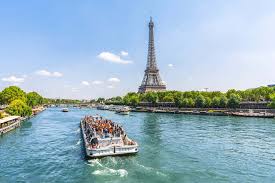
Start the morning near the Eiffel Tower. Going earlier helps you avoid the heaviest crowds, and it also makes the experience feel calmer and more memorable. Whether you decide to go up or simply admire it from the ground, the area around the tower is one of the clearest introductions to Paris. Seeing it in person is one of those travel moments that still works no matter how famous it is. If you want those wide postcard-style views, spend some time around Trocadéro as well, where the perspective over the tower is especially dramatic.
From there, let the day flow toward the Seine. One of the smartest things you can do on a first trip to Paris is build walking time into the itinerary rather than treating it as filler. The river gives the city its shape and much of its atmosphere. Walking along it is not wasted time. It is part of the real experience. You will pass bridges, old stone facades, and quiet little scenes that never fully show up in generic lists of attractions but often become part of what you remember most.
For lunch, avoid eating right beside the biggest landmarks unless you already know the place is good. Paris becomes much more enjoyable when you move a few streets away from the most obvious tourist zones. A bakery lunch, a café stop, or a simple bistro meal often works better than trying to chase the “perfect” restaurant on day one.
In the afternoon, make your way toward the Louvre area. You do not need to attempt the entire museum unless that is a priority for you. For many first-time visitors on a three-day trip, it is enough to experience the setting, the architecture, the courtyards, and perhaps a focused short visit instead of an all-day commitment. Paris can become exhausting if you try to turn every major stop into a marathon.
As the day begins to wind down, stay central and enjoy the shift into evening. Paris after dark has a different personality, and the first night should be about absorbing that mood rather than rushing to another major attraction. You can return toward the Seine, enjoy dinner in a nearby neighborhood, or simply walk until the city starts glowing. If you still have energy later in the evening, seeing the Eiffel Tower sparkle at night is one of those classic moments that genuinely earns its reputation.
Day 2: History, Left Bank Atmosphere, and Neighborhood Paris
Your second day should move away from the most obvious first-impression landmarks and into the more layered, atmospheric side of the city. This is when Paris starts to feel less like a set of famous monuments and more like a place with depth, texture, and everyday beauty.
Start around Notre-Dame and the surrounding parts of Île de la Cité. This area carries some of the strongest historical atmosphere in Paris, and even when you are not focused on one single monument, the streets, bridges, and river edges around it make the whole district feel meaningful. It is one of the best places to begin a day slowly, especially if you arrived in Paris with that romantic image of old stone buildings and quiet streets by the water.
From there, continue into the Latin Quarter. This is one of the most pleasant areas in the city for walking without too much structure. It has older streets, a lively rhythm, and enough local character to keep the day from feeling too polished. It also connects naturally with the Left Bank, which is where the mood of the day really settles in.
By lunchtime, move into Saint-Germain-des-Prés. This neighborhood represents a more elegant and timeless side of Paris. It is ideal for a longer meal, a coffee break that turns into an hour, or simply letting yourself move slowly for a while. One of the mistakes people make in Paris is feeling guilty whenever they are not actively “doing” something. In this city, sitting at a café or taking a longer-than-planned neighborhood walk is not dead time. It is part of the point.
The afternoon is best spent continuing through the Left Bank at a relaxed pace. You might browse bookshops, step into a small gallery, or simply keep walking through streets that feel good. Paris is unusually generous in this way. It often gives you more than you expected when you are not demanding too much from it.
For dinner, stay in the same general part of the city rather than crossing all over Paris for one reservation unless it is something you really care about. The second day works best when it feels fluid and cohesive. If the first day is about Paris as a world capital of famous sights, the second day is about Paris as a place people actually live in and love for much smaller reasons.
Day 3: Montmartre, Le Marais, and a Strong Finish
The third day is the perfect time to enjoy neighborhoods with stronger personality and a slightly different energy. By now, you have seen the most iconic side of Paris and had time to feel the city more deeply. This final day should be about ending the trip with charm, views, and places that feel distinctly memorable.
Start in Montmartre. Go earlier if you can, because the neighborhood feels much better before it becomes too crowded. Montmartre has a different rhythm from the rest of central Paris. It feels hillier, more irregular, more textured, and in some parts almost village-like. That is part of its magic. The obvious major stop is Sacré-Cœur, but the neighborhood itself is the real experience. Let yourself wander into the side streets. Stay longer than the average tourist does. Some of the best moments here happen when you step away from the main paths and simply look around.
After Montmartre, head toward Le Marais. This is one of the easiest neighborhoods in Paris to enjoy because it combines atmosphere, walkability, shopping, cafés, and a strong local-social energy that works well on a final day. It feels lively without becoming stressful. It is a good place to buy something small, stop for pastries, or just spend your last afternoon moving without pressure.
This is also a good time in the trip to slow the pace intentionally. By day three, many travelers feel the urge to force in extra landmarks because they know the trip is ending. That usually backfires. It is much better to let the final day breathe a little. Paris leaves a stronger impression when your last memories come from a good neighborhood walk, a long lunch, or an evening by the river than from standing in one more line out of obligation.
For your final evening, choose whatever version of Paris you want to leave with. That could mean a relaxed dinner in Le Marais, a sunset walk by the Seine, or one more classic city view before nightfall. There is no single perfect ending, but the best ones usually feel simple rather than overdesigned.
What to Prioritize if You Want a Slower Paris Trip
Not everyone wants the same kind of city break. If your priority is atmosphere over checklists, this three-day Paris itinerary still works, but you can trim it down even more. The best things to keep are the Eiffel Tower area, time by the Seine, one Left Bank day, and one neighborhood-focused day around Montmartre or Le Marais. These are the pieces that give you the strongest overall feeling of Paris without turning the trip into a sprint.
You can also skip or shorten large museum visits if you know that museums drain your energy on short city breaks. Paris has plenty to offer outside formal attractions, and some travelers enjoy the city far more once they stop trying to prove they have done everything.
What to Prioritize if It Is Your Very First Trip to Paris
If this is truly your first time in Paris, it is worth keeping the famous highlights in the plan even if you normally prefer less touristy travel. The reason is simple: in Paris, many of the famous places are famous for good reason. Seeing the Eiffel Tower, the Seine, the Louvre area, Notre-Dame surroundings, and Montmartre gives your trip a strong sense of arrival and orientation.
The trick is not to skip the iconic places. The trick is to avoid letting them consume the entire trip. When famous sights are balanced with neighborhood time, the city feels richer and less exhausting.
Food Tips for a 3-Day Paris Itinerary
Food can either support your trip or slow it down unnecessarily. The smartest approach on a short Paris itinerary is to mix one or two more deliberate meals with several simple, high-quality casual stops. Bakeries, cafés, and neighborhood bistros often give you a better experience than chasing overhyped tourist restaurants.
Breakfast can stay simple, especially in Paris where a good pastry and coffee already feel like part of the travel experience. Lunch works well when it stays flexible, and dinner is where you can slow down more intentionally. On a short city break, it is usually better to avoid crossing the city just for one restaurant unless it is a real highlight for you. Paris gives you enough quality in many neighborhoods that convenience and atmosphere often matter more than hunting perfection.
Mistakes to Avoid on a 3-Day Paris Trip
The biggest mistake is overloading the itinerary. Three days sounds short, which makes people nervous, and that nervousness often leads to overscheduling. The result is a trip that feels efficient on paper but tiring in reality. Paris should feel spacious even on a shorter visit.
Another mistake is underestimating walking time. Distances that look manageable on a map often grow once you factor in photo stops, cafés, slower streets, and the natural rhythm of exploring. Always leave a little more room than you think you need.
It is also a mistake to ignore neighborhoods in favor of only chasing landmarks. The famous sights matter, but Paris becomes memorable through the streets and districts that connect them.
Final Thoughts on Spending 3 Days in Paris
Three days in Paris is not about finishing the city. It is about getting the right first experience of it. If you balance the famous places with neighborhood time, leave room for good food and walking, and avoid turning every day into a race, Paris will feel far more generous than the short timeline suggests.
That is what makes a short Paris trip work so well. The city does not need to be conquered to be felt. It just needs enough time, enough openness, and enough space for its atmosphere to do the rest.
FAQ About a 3 Days in Paris Itinerary
Is 3 days enough for Paris?
Yes, three days is enough for a strong first trip to Paris if you focus on the highlights and balance them with time in the city’s best neighborhoods.
What should I see first in Paris?
For most first-time visitors, the Eiffel Tower area and the Seine are the best places to start because they immediately give you that unmistakable Paris feeling.
Should I include the Louvre in a 3-day Paris itinerary?
Yes, but only if you approach it realistically. A shorter, focused visit usually works better than trying to cover the whole museum on a tight schedule.
What is the best neighborhood to include in a first Paris itinerary?
Le Marais, Saint-Germain-des-Prés, the Latin Quarter, and Montmartre are all excellent choices because they show different sides of Paris and add real atmosphere to the trip.
Is walking enough in Paris for 3 days?
Walking is one of the best ways to experience Paris, but combining it with the metro for longer distances makes the trip smoother and less tiring.